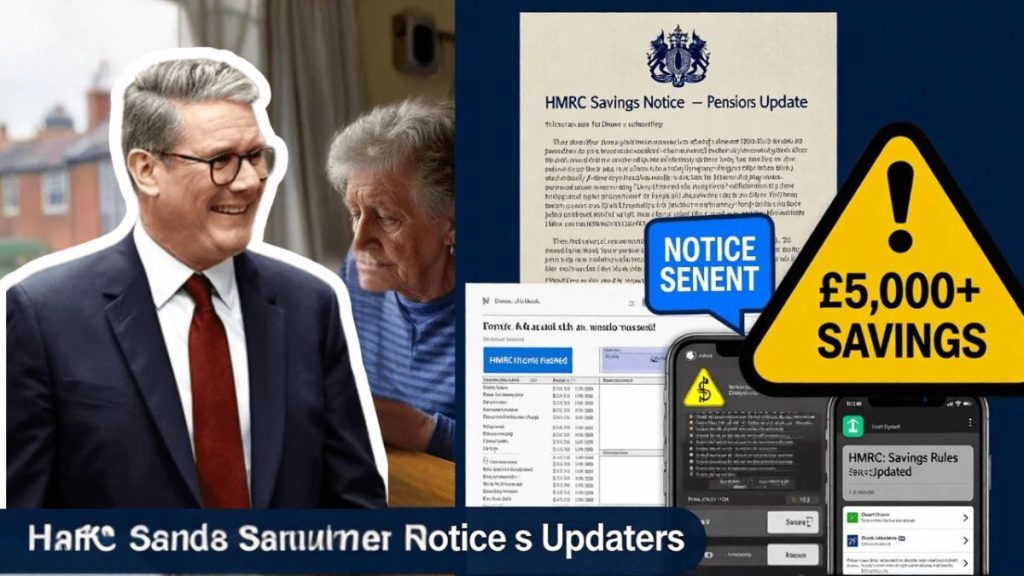
A new HMRC rule set to take effect from 10 December is causing growing concern among UK pensioners, after reports emerged that up to £450 could be deducted directly from bank accounts under updated compliance and recovery powers. While HM Revenue & Customs has not described this measure as a “penalty”, the real‑world impact for many older citizens could still feel like one — particularly for those living on a fixed income.
The announcement comes at a time when millions of pensioners are already struggling with rising food prices, winter energy bills, council tax increases, and tighter household budgets. The idea that money could be removed directly from a bank account has led to widespread anxiety and confusion.
This article explains what the £450 deduction actually means, who may be affected, why HMRC is enforcing the rule, how deductions work, and most importantly, what pensioners can do now to protect their finances.
Latest Stories

 HMRC Letters Alarm Thousands of UK Pensioners – Here’s What the £5,000 Savings Alert Really Means
What the New £450 HMRC Rule Really Means
The reported £450 deduction is linked to HMRC’s strengthened Direct Recovery of Debts (DRD) powers. These powers allow HMRC to recover unpaid tax or government‑related debts directly from a person’s bank or building society account if earlier attempts to collect the money have failed.
From 10 December, HMRC can:
- Access funds directly from a debtor’s bank account
- Recover unpaid tax, National Insurance, or benefit overpayments
- Act without going through the courts in certain cases
It is important to clarify that £450 is not a universal charge and not everyone will face this amount. It reflects the upper end of deductions seen in recent recovery cases, especially for smaller unresolved debts.
Latest Stories
 £325 Universal Credit Payment Confirmed for December 2025 – Who Gets It, When It’s Paid, and What to Do If It’s Missing
Crucially, this is not a new tax and not a blanket deduction for all pensioners. It applies only where HMRC believes money is legally owed and multiple previous attempts to resolve the debt have been ignored.
Why Pensioners Are Particularly Concerned
Pensioners are disproportionately affected by these rules for several reasons:
- Many rely solely on the State Pension or modest private pensions
- Even small deductions can disrupt essential spending
- Some may not realise they owe anything at all
- Others may have historical overpayments dating back many years
With winter already bringing higher heating and food costs, the possibility of sudden, unexpected deductions has left many older people worried about how they would cope.
Latest Stories
 DWP Changes Home Ownership Rules for Pensioners – What Your Property Now Means for Your Benefits
Charities supporting older people warn that financial shocks of this type can quickly push vulnerable pensioners into serious hardship, particularly where savings are limited.
Who Could Be Affected by the Deduction
Not every pensioner is at risk. The rule applies only to people who meet specific criteria. You may be affected if:
- HMRC believes you owe tax, National Insurance, or benefit overpayments
- You have ignored repeated payment requests
- You have funds in your bank account above the protected minimum
- You have not engaged with HMRC to arrange repayment
Groups considered most at risk include:

- Pensioners who previously completed Self Assessment tax returns
- Those who worked part‑time after retirement
- People who received tax credits or benefits in past years
- Estates with unresolved tax liabilities
If you receive only the basic State Pension and have no outstanding tax issues, you are unlikely to be directly affected, but uncertainty remains a major source of public worry
How HMRC Bank Deductions Actually Work
If HMRC decides to use its Direct Recovery of Debts powers, the process follows a structured legal sequence:
- HMRC identifies an outstanding debt
- Several written notices are issued
- Time is provided to respond or dispute the claim
- If ignored, HMRC may instruct the bank to freeze part of the funds
- After a short waiting period, money may be transferred
There are safeguards in place. HMRC must leave a minimum of £5,000 across all accounts held by the individual to prevent complete financial collapse.
Latest Stories
 HMRC Confirms Major Child Benefit Rule Changes from 25 December 2025 – What Every UK Parent Must Know
However, many pensioners do not hold savings at that level, meaning even smaller deductions can still feel devastating
Why the Rule Is Being Enforced From December
December is traditionally a peak period for government debt recovery activity. HMRC increases enforcement towards the end of the tax year to:
- Improve government cash flow
- Close unresolved cases before year‑end
- Reduce long‑standing debt balances
- Strengthen overall compliance
The Government has repeatedly stated that tax debt levels remain historically high, particularly following pandemic‑era support schemes. Billions were paid out rapidly, and a significant portion remains unpaid.
Latest Stories
 HMRC to Deduct £450 from Bank Accounts – What UK Pensioners Must Know Before It’s Too Late
This move reflects a stronger enforcement phase, not the creation of a brand‑new tax policy
Common Reasons Pensioners Owe HMRC Money
Many affected pensioners are shocked to learn they owe anything at all. Common reasons include:
- Overpaid tax credits in previous years
- PAYE tax code errors
- Part‑time work after retirement
- Overpaid Universal Credit during benefit transitions
- Undeclared savings interest
- Small private pension reporting errors
In many cases, pensioners may not have fully understood earlier letters or believed the issue had already been resolved.

What Happens If You Ignore HMRC Letters
Ignoring HMRC correspondence remains the biggest risk factor. When letters go unanswered:
- Automated recovery systems may be triggered
- Banks can be contacted directly
- Legal options become more limited
- Opportunities to negotiate affordable repayments are lost
HMRC consistently advises that early communication is the best protection. Even if you disagree with the debt, responding opens the door to reviews, appeals, or instalment plans.
Can the £450 Deduction Be Stopped
In many cases, yes. Deductions can often be stopped or delayed if action is taken early.
Latest Stories
 DWP Confirms £441 Monthly Support for Pensioners — Are You Missing Out on Attendance Allowance?
You may be able to prevent recovery by:
- Contacting HMRC immediately
- Requesting a full breakdown of the debt
- Submitting a formal dispute
- Arranging a Time to Pay plan
- Providing evidence of financial hardship
HMRC often agrees to small monthly repayments rather than lump‑sum deductions where hardship is shown. Once the bank recovery process begins, however, reversal becomes much harder.
What to Do If You Receive a Warning Notice
If you receive a notice warning of possible bank recovery:
- Do not ignore it
- Check figures carefully
- Note all deadlines
- Contact HMRC using official contact details
- Seek independent advice if unsure
Never share bank details with anyone claiming to act on HMRC’s behalf unless you initiated the contact. Scammers often exploit periods of public concern.
Protection Rules for Vulnerable Pensioners
HMRC states that additional care is taken for vulnerable individuals, including:
- Those with serious health conditions
- People with disabilities
- Pensioners with no additional income
- Individuals already repaying other debts
In such cases, recovery may be paused or adjusted, but vulnerability usually needs to be formally declared and supported with evidence.
Public Reaction and Pensioner Anxiety
Since news of the 10 December rule spread, reaction among pensioners has been intense. Many describe feeling shocked, uncertain, angry, and financially insecure.
For people managing every pound of their pension, even the threat of a deduction creates fear — especially while winter bills remain high.
Financial charities are urging HMRC to improve communication and ensure no vulnerable pensioners are pushed into sudden hardship.
How This Fits Into Wider Government Policy
The Government has steadily expanded automated recovery powers across departments. Similar systems already exist for:
- Council tax arrears
- Child maintenance
- DWP benefit overpayments
- Court fines
The long‑term goal is efficiency, but critics argue automation risks disproportionately affecting low‑income and elderly citizens.
What Pensioners Should Check Right Now
UK pensioners are advised to take precautionary steps:
- Review recent HMRC correspondence
- Check online tax accounts if possible
- Confirm whether any debt exists
- Keep small emergency savings where possible
- Seek help early if unsure
Staying informed reduces future risk.
Key Myths Being Shared Online
Several claims circulating online are misleading:
- This is not a universal £450 charge
- Not all pensioners are affected
- HMRC cannot empty your account
- A protected balance still applies
- You always have the right to appeal
Understanding the facts helps separate fear from reality.
What Happens After 10 December
From 10 December onwards:
- HMRC gains enhanced authority
- Unresolved debts may move into enforcement
- Warning notices may increase
- Banks will cooperate under existing law
This does not mean deductions happen automatically. Each case still undergoes assessment and legal checks.
Long‑Term Implications for Pensioners
The broader concern is that enforcement‑first policies may become more common. Pensioners could face:
- Increased financial monitoring
- Faster debt recovery
- Reduced negotiation flexibility
- Greater reliance on automation
This makes financial awareness increasingly important in later life
Where Pensioners Can Get Free Help
Free, independent support is available from:
- Citizens Advice
- Age UK
- Local welfare rights services
- Community legal clinics
These organisations can help check letters, challenge errors, and negotiate with HMRC.