Thousands of UK pensioners are beginning to receive new letters and digital alerts from HM Revenue & Customs (HMRC) concerning their personal savings. The notices are being sent to individuals who hold savings of £5,000 or more, and for many, the communication has caused confusion and concern.
While some worry about surprise tax demands or penalties, these notices are not punitive. Instead, they are part of HMRC’s ongoing checks to ensure interest from savings is correctly reported, and that the right amount of tax is paid—neither overpaid nor underpaid.
Why HMRC Is Sending These Savings Notices
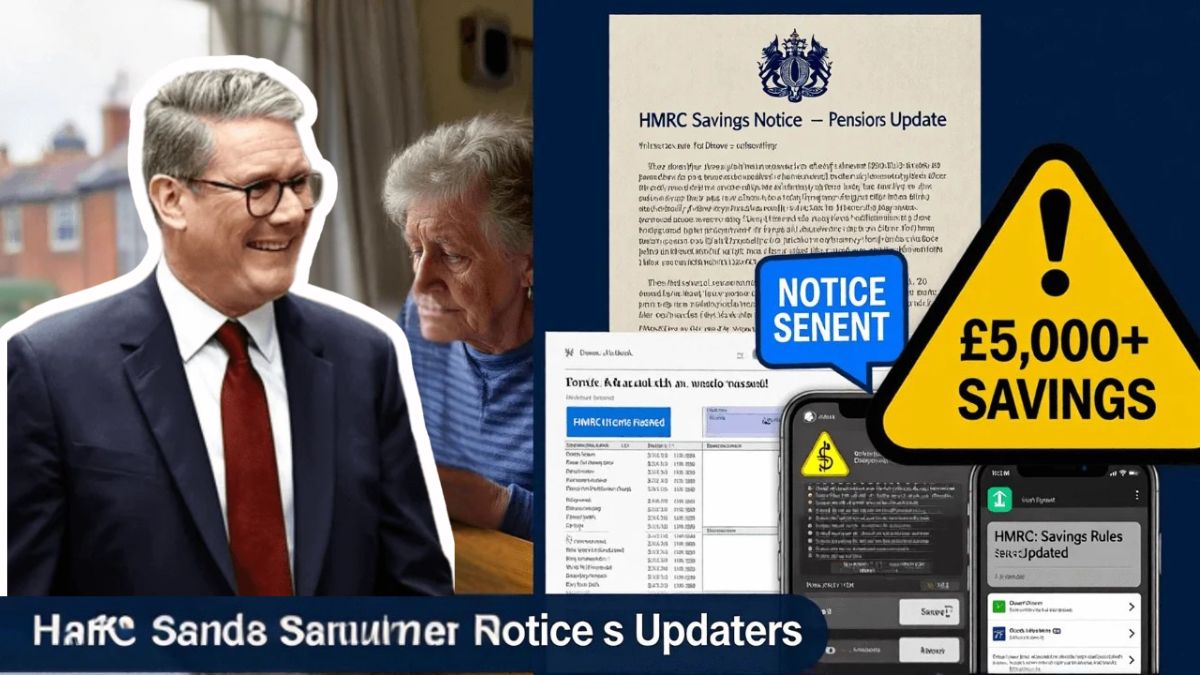
Each year, HMRC receives data from banks and building societies showing how much interest savers earn. If the amount looks high enough to potentially exceed tax-free allowances, HMRC sends a notice asking the pensioner to verify the information.
Latest Stories
 £325 Universal Credit Payment Confirmed for December 2025 – Who Gets It, When It’s Paid, and What to Do If It’s Missing
These letters are not accusations, investigations, or penalties. Most are simply informational, encouraging the recipient to check their interest income and confirm whether they owe tax or not.
Understanding the £5,000 Threshold: A Risk Flag, Not a Tax Rule
Many recipients wonder why the £5,000 figure keeps coming up in the notices.
The reason? It’s a risk indicator used by HMRC—not a direct trigger for tax.
Latest Stories
 DWP Changes Home Ownership Rules for Pensioners – What Your Property Now Means for Your Benefits
Pensioners with over £5,000 in savings are more likely to earn interest close to or above their tax-free limit, especially given recent higher interest rates. But having £5,000 in savings does not automatically mean tax is owed.
What HMRC Considers as ‘Savings’
For HMRC purposes, the following accounts and assets are reviewed when assessing savings interest:
- Bank and building society savings accounts
- Easy-access or fixed-rate bonds
- Some credit union accounts
- Cash ISAs (though interest here is tax-free)
Not counted as savings:

- Premium Bonds (winnings are tax-free)
- State Pension or workplace pensions
- Stocks, shares or other investments (unless interest-generating)
The focus is entirely on the interest earned, not just the money held in the account.
How Pensioners’ Savings Interest Is Taxed
Tax on savings interest is based on total income, not age. However, pensioners often benefit from multiple allowances that reduce or remove their tax liability on savings interest.
These include:
Latest Stories
 HMRC Confirms New Debt Recovery Powers From December – What Pensioners Must Check Now
- The Personal Allowance:
Most people can earn up to £12,570 a year before any income tax applies. This includes pensions, earnings, and savings interest. - The Starting Rate for Savings:
If your non-savings income (like pensions) is less than £12,570, you may be able to earn up to £5,000 of savings interest tax-free. - The Personal Savings Allowance:
- £1,000 tax-free interest for basic rate taxpayers
- £500 for higher rate taxpayers
- £0 for additional rate taxpayers
These allowances work together, and many pensioners with modest income often owe no tax at all on savings interest.
Why Pensioners Are Receiving These Notices Now
There are several reasons why more pensioners are receiving savings notices in late 2025:
- Interest rates are higher, meaning more people are earning taxable interest
- Data sharing between banks and HMRC has improved
- Tax thresholds are frozen, which means more pensioners are crossing into taxable territory
- Many older households have increased their savings due to cautious spending
The aim is to catch overpaid or underpaid tax early, preventing future issues.
Latest Stories
 HMRC Confirms Major Child Benefit Rule Changes from 25 December 2025 – What Every UK Parent Must Know
What These Notices Typically Include
Whether received by post or via a digital HMRC Personal Tax Account, the notice usually contains:
- A list of interest reported by your banks
- A breakdown of savings income figures
- A reminder to check allowances
- Instructions for contacting HMRC if figures seem wrong
HMRC encourages pensioners to log in to their Personal Tax Account to review the details.
Does Getting a Notice Mean You Owe Tax?
No. Simply receiving a notice does not mean you owe tax.
Latest Stories
 HMRC to Deduct £450 from Bank Accounts – What UK Pensioners Must Know Before It’s Too Late
Many pensioners fall into one of these categories:
- Their total interest is within tax-free limits
- The interest was from an ISA (which is tax-free)
- HMRC has incorrect data
- The income belongs to a joint account, and they’re being credited with more than their share
In many cases, no payment or action is needed beyond confirming the figures.
What to Do If You Receive a Notice
If you get one of these letters or alerts, don’t panic—but don’t ignore it either.

Steps to follow:
- Check your bank statements to total your annual interest
- Compare the amount with the notice
- Review your tax code or login to your HMRC Personal Tax Account
- Contact HMRC if the figures are incorrect
- Seek help from organisations like Age UK or Tax Help for Older People if you’re unsure
The process is meant to be supportive, not punitive
What Happens If Tax Is Actually Owed?
If your interest income does exceed the thresholds and you do owe some tax, HMRC typically handles it gently:
Latest Stories
 DWP Confirms £441 Monthly Support for Pensioners — Are You Missing Out on Attendance Allowance?
- They may adjust your tax code so it’s automatically collected
- Small amounts may be deducted monthly from your pension
- Larger amounts may be paid in instalments
HMRC aims to avoid lump-sum demands for pensioners wherever possible.
What If HMRC’s Figures Are Wrong?
It’s not uncommon for banks to report outdated or incorrect information, especially:
- On closed accounts
- Joint accounts, where interest is split
- When names or details are mismatched
Pensioners should contact HMRC, who will usually request:
- Supporting evidence (like bank statements)
- A correction request
- Clarification of account ownership
There’s no penalty for correcting genuine errors
Are Joint Accounts Counted Fully?
No. In most cases, HMRC assumes interest is split 50/50 between joint account holders, unless you specify otherwise. But if one partner’s share pushes them over the tax-free threshold, a notice may still be triggered
Will It Affect My Benefits?
Not directly. But if you receive means-tested benefits, such as Pension Credit, then:
- Savings and interest may count toward income or capital
- If reported interest increases, it may affect benefit entitlement
- The HMRC notice itself, however, doesn’t change your benefits
Always keep both HMRC and DWP updated with the most accurate figures.
Common Myths About HMRC Savings Letters
Let’s debunk some common fears:
- Myth 1: HMRC is targeting pensioners – False
- Myth 2: All savings over £5,000 are taxed – False
- Myth 3: A notice means you’re under investigation – False
- Myth 4: There are automatic penalties – False
These notices are usually just routine checks.
Why You Shouldn’t Ignore the Letter
Failure to respond could result in:
- Incorrect tax codes
- Tax being collected unnecessarily
- Backdated tax corrections later
A quick check today can prevent bigger tax headaches down the road.
How to Stay on Top of Your Savings Tax
Pensioners can avoid future confusion by:
- Keeping annual bank interest summaries
- Logging into their Personal Tax Account once a year
- Using cash ISAs to shield interest from tax
- Reviewing savings accounts annually
A few simple habits can go a long way in staying compliant and informed.