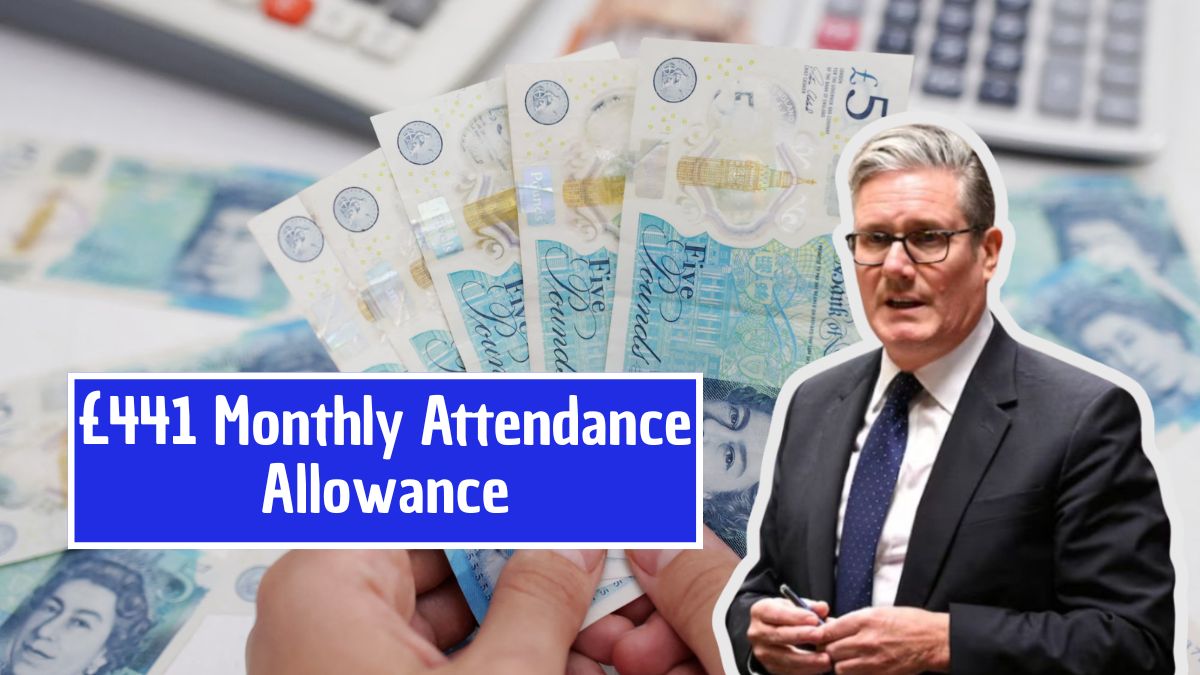
For many older people across the UK, managing everyday expenses is becoming increasingly difficult.** Higher food prices, soaring energy bills, and rising care needs are putting pressure on fixed retirement incomes. In response, the Department for Work and Pensions (DWP) has reaffirmed its commitment to Attendance Allowance, a non-means-tested benefit worth up to £441 per month in 2025 for eligible pensioners.
While this support has existed for years, thousands of older people are still unaware that they qualify—or mistakenly believe they can’t apply due to common misconceptions. This article offers a clear guide to help you understand the eligibility rules, payment structure, application process, and the extra benefits that can come with receiving Attendance Allowance.
What Is Attendance Allowance?

Attendance Allowance is a tax-free benefit paid by the DWP to individuals who have reached State Pension age and require additional help due to a physical or mental health condition.
Latest Stories
 HMRC’s £13,570 Personal Allowance Plan Could Cut Your Tax Bill in 2025 – Tax-Free Income Set to Rise
Unlike many other benefits, it is:
- Not means-tested — your income or savings do not affect eligibility
- Not limited to people with carers — you don’t need to be receiving care to qualify
- Flexible — the money can be used however it helps you most, from personal care to staying safe at home
Its purpose is simple: to support older people who face challenges with daily living as a result of illness or disability.
Confirmed Payment Amounts in 2025
Attendance Allowance is paid every four weeks, and the maximum monthly value is £441. The exact amount depends on your level of need:
Latest Stories
 DWP Confirms £921 Benefit Payment Change Before Christmas — Full Eligibility Rules, Dates, and Payment Guide
- Lower Rate: For people who need help during the day or at night — currently £72.65 per week
- Higher Rate: For those who need help day and night, or are terminally ill — currently £108.55 per week
Over a full month, that equates to:
| Rate | Weekly Payment | Approx. Monthly Equivalent |
|---|---|---|
| Lower Rate | £72.65 | £290.60 |
| Higher Rate | £108.55 | £434.20 (often rounded to £441) |
These payments are tax-free, paid directly into your bank account, and do not need to be spent on care.
Who Can Qualify for Attendance Allowance?
To qualify in 2025, you must:
Latest Stories
 UK Banks Confirm New Withdrawal Limits Starting Now, Cash Rules Tighten for Customers Aged 60+
- Be over State Pension age
- Have a physical or mental disability or long-term illness
- Need help or supervision with personal care tasks, either during the day, at night, or both
The condition doesn’t need to be new. Many applicants qualify after struggling for years with:
- Mobility issues or frequent falls
- Sight or hearing problems
- Arthritis, back pain, or joint problems
- Heart conditions or breathing difficulties
- Dementia or memory loss
- Mental health conditions such as anxiety or depression
Even if you do not currently receive help from a carer, you may still qualify if the need exists.
What Kind of Help Qualifies?
DWP focuses on what help you need—not what help you currently get. This is an important distinction, as many people manage on their own with difficulty or informal support.
Latest Stories
 Motability Scheme Eligibility Confirmed: DWP Reveals Full List of Qualifying Disability Benefits
Examples of qualifying help include:
- Getting in or out of bed
- Dressing and undressing
- Washing or using the toilet safely
- Taking medication correctly
- Preparing meals
- Avoiding accidents due to confusion or memory problems
- Communicating or staying safe
Even if a friend or family member provides support without payment, it still counts. The key is whether you need supervision or assistance to complete daily tasks safely.
It’s Not Means-Tested — What That Really Means
Many people mistakenly assume they can’t apply because they:
Latest Stories
 Free TV Licence for Over-60s in 2026? Here’s Who Really Qualifies — and How to Claim It
- Have savings
- Own their home
- Receive a private or workplace pension
- Live independently
None of this affects your eligibility.
Attendance Allowance is not income-based, which means:
- Savings don’t count
- Other pensions won’t reduce your award
- Owning property is not a barrier
As a result, even relatively financially secure pensioners who don’t qualify for income-related benefits like Pension Credit can still receive Attendance Allowance
Latest Stories
 £250 Cost of Living Payment Confirmed for December 2025 — Who Gets It and When Will It Arrive?
How the Money Is Paid
- Paid every four weeks
- Directly deposited into your bank or building society account
- Continues as long as your condition stays the same or worsens
- No yearly re-application required, although periodic reviews may occur
There’s no need to worry about the payments stopping unexpectedly unless you recover significantly or your circumstances change.
How to Apply for Attendance Allowance
Applications are made by filling out a paper form. There’s no online application yet, though you can request the form by phone or download and print it from GOV.UK.
Steps to apply:
Latest Stories
 HMRC Letters Alarm Thousands of UK Pensioners – Here’s What the £5,000 Savings Alert Really Means
- Call the Attendance Allowance helpline (0800 731 0122) to request a form
- Or download the form (AA1) from the official GOV.UK
- Complete the form in detail, describing how your condition affects you on bad days
- Include supporting evidence, such as letters from doctors or care providers
- Return the form to the address provided
You can also get help completing the form from:
- Citizens Advice
- Age UK
- Disability charities or local support groups
Backdated Payments: Why You Should Apply Quickly
If your claim is successful, payments will be backdated to the date you first requested the claim form, not the date you return it. This could mean:
- A lump sum payment of several hundred pounds
- Faster access to additional related benefits
So, it’s important to call for the form as soon as you believe you might qualify.
Latest Stories
 £325 Universal Credit Payment Confirmed for December 2025 – Who Gets It, When It’s Paid, and What to Do If It’s Missing
Does Attendance Allowance Affect Other Benefits?
In most cases, it increases your entitlement to other support. It does not reduce your State Pension, but it may allow you to access:
- Pension Credit
- Council Tax Reduction
- Housing Benefit
- Carer’s Allowance (for someone caring for you at least 35 hours/week)
Because of this, receiving Attendance Allowance can be a gateway to even more help, especially for low-income households
Common Misconceptions — And Why They’re Wrong
Let’s clear up some myths that stop eligible people from applying:
Latest Stories
 DWP Changes Home Ownership Rules for Pensioners – What Your Property Now Means for Your Benefits
- You do NOT need a carer
- You do NOT need to be housebound
- You do NOT need to spend the money on care
- You do NOT need to be diagnosed recently
- You do NOT need to be terminally ill
You simply need to show that your daily life is affected by a long-term health condition or disability.
Why Attendance Allowance Matters in 2025
With high inflation continuing into 2025, every pound counts for UK pensioners. Attendance Allowance:
- Provides reliable, ongoing monthly income
- Helps maintain independence at home
- Reduces reliance on crisis services or emergency care
- Improves quality of life by funding essentials like home help or transport
It’s often the difference between struggling and coping for older adults living with health challenges.