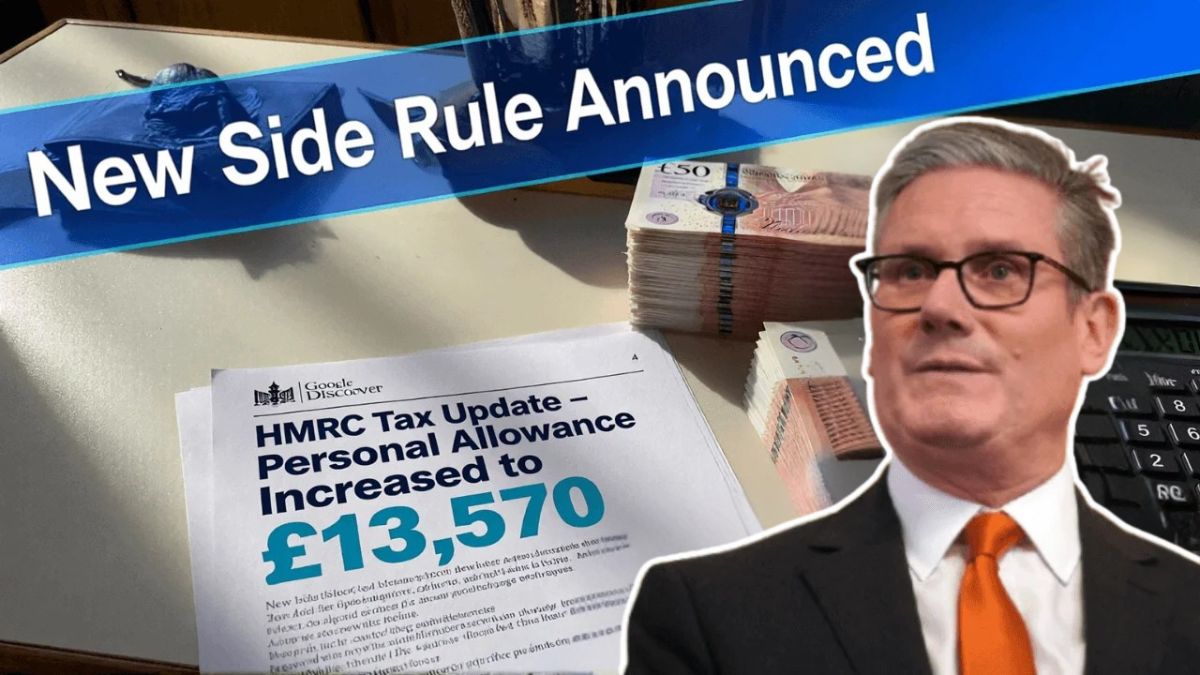
In a move that could reshape the UK’s personal tax landscape, HM Revenue and Customs (HMRC) is reportedly considering raising the Personal Allowance threshold from £12,570 to £13,570. This change, if approved, would be one of the most significant tax reliefs in years, offering savings to millions of workers, pensioners, and low-income earners struggling with the rising cost of living.
The proposal has not yet been finalised, but early briefings suggest it could be a central part of the next Budget or fiscal statement. Here’s what we know so far — and why it matters.
What Is the Personal Allowance?
The Personal Allowance is the amount of income you can earn before paying any Income Tax in the UK. Currently, it stands at £12,570 and has remained unchanged since 2021.
Latest Stories
 DWP Confirms £921 Benefit Payment Change Before Christmas — Full Eligibility Rules, Dates, and Payment Guide
Here’s how the tax system works after that:
- 20% tax on income above £12,570 (basic rate)
- 40% tax above £50,270 (higher rate)
- 45% tax above £125,140 (additional rate)
Because the allowance hasn’t changed in years, many workers have been pulled into paying more tax — a process called fiscal drag, where wage increases are offset by higher taxes due to static thresholds.
Why Raise the Personal Allowance Now?
Several factors are influencing this potential change:
Latest Stories
 UK Banks Confirm New Withdrawal Limits Starting Now, Cash Rules Tighten for Customers Aged 60+
- Inflation and Real Incomes:
Soaring prices have reduced the real value of take-home pay. Even modest salary increases now push people into higher tax brackets. - Pensioner Tax Burden:
As the State Pension increases, many retirees are crossing the current £12,570 threshold and paying income tax for the first time — leading to frustration. - Political Pressure:
Ahead of the upcoming Budget, the government is under pressure to offer visible and lasting tax relief instead of just temporary payments.
Raising the Personal Allowance by £1,000 is a straightforward, easily understood policy that could win public approval.
Who Stands to Gain?
The proposed increase would benefit several groups:
- Employees earning between £12,570 and £50,270
- Pensioners whose income has crept above the current threshold
- Part-time workers and carers who may avoid tax altogether
- Self-employed individuals within the basic rate bracket
Overall, this means millions of households could save up to £200 per year, depending on income level.
Latest Stories
 Motability Scheme Eligibility Confirmed: DWP Reveals Full List of Qualifying Disability Benefits
How Much Will You Actually Save?
While a £1,000 increase in the threshold may sound like a windfall, the actual tax saving is tied to the basic rate of 20%.
- 20% of £1,000 = £200 tax saving per year
- That’s about £16.66 per month
- For couples, this could mean £400 combined savings
Although this may seem modest, it could help ease the pressure on monthly budgets strained by rising housing, fuel, and food costs.
What’s the Catch? The “Side Rule” in the Proposal
HMRC has hinted at a new “side rule” to accompany the Personal Allowance increase. While not confirmed, this rule could limit eligibility or adjust how the increase applies, especially for higher earners.
Latest Stories
 Free TV Licence for Over-60s in 2026? Here’s Who Really Qualifies — and How to Claim It
Possible features include:
- Phased removal of the extra allowance at higher incomes
- Adjusted net income tests for eligibility
- Linking the new limit to pension tax relief calculations
- Aligning thresholds with National Insurance bands
This approach would ensure the relief targets low- and middle-income earners, not just the highest earners.
How It May Affect High Earners
Currently, anyone earning over £100,000 begins to lose their Personal Allowance — reduced by £1 for every £2 earned above that threshold. That means many high earners already lose their full allowance.
Latest Stories
 £250 Cost of Living Payment Confirmed for December 2025 — Who Gets It and When Will It Arrive?
With a new allowance of £13,570, similar tapering could apply. The government may even introduce a firm income cap — possibly at £50,000–£60,000 — to ensure the extra tax-free income is directed at those who need it most.
The Pensioner Angle: Why This Matters for Retirees
The new State Pension is now approximately £11,500 per year, meaning even small private pensions push retirees above the current threshold. As a result, more pensioners are:
- Receiving HMRC tax code letters
- Having taxes deducted from private pension income
- Losing more of their fixed income to tax
Raising the allowance to £13,570 would:
Latest Stories
 HMRC Letters Alarm Thousands of UK Pensioners – Here’s What the £5,000 Savings Alert Really Means
- Exempt more retirees from Income Tax
- Simplify PAYE deductions
- Reduce the volume of tax code letters issued
- Offer financial relief to those on fixed incomes
This would be especially welcome for older citizens who may not be aware they’re being taxed on their pensions.
Will It Affect Universal Credit or Other Benefits?
Technically, the Personal Allowance only applies to Income Tax, not directly to benefits.
However, any increase in take-home pay (due to reduced tax) could affect means-tested benefit calculations, including:
Latest Stories
 £325 Universal Credit Payment Confirmed for December 2025 – Who Gets It, When It’s Paid, and What to Do If It’s Missing
- Universal Credit
- Pension Credit
- Housing and Council Tax Benefits
That said, for most working claimants, the tax saving will outweigh any minor reduction in benefit entitlements.
When Could the New Allowance Begin?
There’s no official date yet, but tax-related changes traditionally take effect on the 6th of April, the start of the new tax year.
If the measure is confirmed in:
Latest Stories
 DWP Changes Home Ownership Rules for Pensioners – What Your Property Now Means for Your Benefits
- Spring Budget – the change may begin from April 2025
- Autumn Statement – it could be rolled into the 2026 tax year
Either way, HMRC has confirmed that its systems are ready to adjust PAYE codes and Self Assessment portals quickly after legislation is passed.
What Action Should You Take Now?
There is no need to apply for the allowance. HMRC will implement it automatically for both employees and self-employed individuals.
Still, it’s wise to:

- Check your tax code for accuracy
- Review your pension income total if you’re retired
- Track upcoming Budget announcements
- Avoid basing financial decisions on speculative headlines
Once finalised, HMRC will update online personal tax accounts and employer instructions automatically.
A Step Towards Structural Tax Reform
This proposal signals a change in direction for UK tax policy. After years of frozen thresholds and temporary Cost of Living support, the focus may now shift to permanent structural relief.
While a £200 annual saving won’t resolve deep financial issues for everyone, it offers:
Latest Stories
 HMRC Confirms New Debt Recovery Powers From December – What Pensioners Must Check Now
- Predictable, recurring support
- Simplified tax administration
- Broader political support than one-off handouts
Combined with potential National Insurance reductions, this could mark the beginning of a long-term tax reform strategy