For millions of disabled people across the UK, reliable transport is not a luxury — it is essential. From attending hospital appointments and therapy sessions to staying connected with family, work, and the wider community, mobility plays a crucial role in maintaining independence and quality of life.
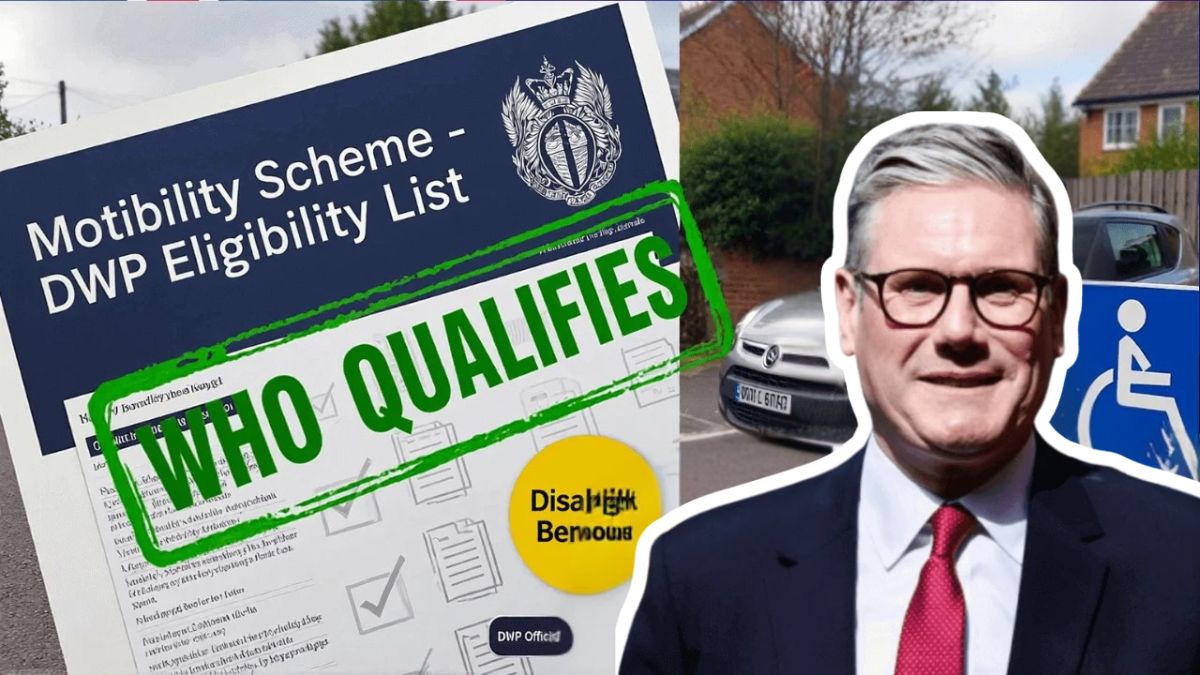
Recognising this reality, the Department for Work and Pensions works alongside the Motability Scheme to support eligible disability benefit claimants. In a major clarification, the DWP has now confirmed the full and final list of disability benefits that qualify for the Motability Scheme, helping thousands of people understand whether they are entitled to apply.
This guide explains everything clearly — who qualifies, which benefits count, how the scheme works, and what steps to take next.
Latest Stories
 HMRC’s £13,570 Personal Allowance Plan Could Cut Your Tax Bill in 2025 – Tax-Free Income Set to Rise
Why Mobility Support Is So Important for Disabled People
For disabled households, transport costs can quickly become overwhelming. Taxis, adapted vehicles, specialist insurance, and fuel costs are often far higher than for non‑disabled drivers. In many areas, public transport remains inaccessible or unreliable, especially for wheelchair users and people with long‑term health conditions.
The Motability Scheme exists to address this gap by offering predictable, affordable access to transport, helping disabled people live independently rather than being isolated at home.
What the Motability Scheme Is
The Motability Scheme is a long‑running UK programme that allows eligible disabled people to lease a vehicle or mobility aid using part or all of their disability benefit.
Latest Stories
 DWP Confirms £921 Benefit Payment Change Before Christmas — Full Eligibility Rules, Dates, and Payment Guide
Instead of buying a car outright, eligible claimants can exchange their qualifying mobility benefit for:
- A brand‑new car
- A Wheelchair Accessible Vehicle (WAV)
- A mobility scooter
- A powered wheelchair
The scheme is not run directly by the DWP, but eligibility is strictly linked to specific government‑managed disability benefits. This link is where much of the confusion arises — and why the DWP’s clarification matters so much.
Why the DWP’s Clarification Matters
Many disability benefit claimants wrongly assume they qualify for Motability when they do not, while others mistakenly believe they are excluded and miss out entirely.
Latest Stories
 UK Banks Confirm New Withdrawal Limits Starting Now, Cash Rules Tighten for Customers Aged 60+
The DWP’s updated confirmation removes this uncertainty by clearly stating:
- Which benefits qualify
- Which components matter
- Who is excluded, even if they receive other support
With the cost of living still high and transport costs rising, knowing your rights under the Motability Scheme can make a real and lasting difference to daily life.
Disability Benefits That Qualify for the Motability Scheme
Not every disability benefit automatically gives access to Motability. Eligibility depends on receiving specific components or rates of certain benefits.
Latest Stories
 Free TV Licence for Over-60s in 2026? Here’s Who Really Qualifies — and How to Claim It
Below is the confirmed and complete list.
Personal Independence Payment (PIP)
Personal Independence Payment (PIP) is the most common route into the Motability Scheme — but only one part of PIP qualifies.
To be eligible, you must receive:
Latest Stories
 £250 Cost of Living Payment Confirmed for December 2025 — Who Gets It and When Will It Arrive?
- The Enhanced Rate of the Mobility Component of PIP
If you only receive:
- The standard rate mobility component, or
- The daily living component only
you do not qualify for Motability.
This is one of the most common misunderstandings, so it is essential to check your latest PIP award letter carefully.
Latest Stories
 HMRC Letters Alarm Thousands of UK Pensioners – Here’s What the £5,000 Savings Alert Really Means
Disability Living Allowance (DLA)
Although Disability Living Allowance (DLA) is no longer open to most new adult claimants, many people — especially children and older claimants — still receive it.
You qualify for Motability if you receive:
- The Higher Rate Mobility Component of DLA
Lower rate mobility or care components do not qualify on their own.
Latest Stories
 £325 Universal Credit Payment Confirmed for December 2025 – Who Gets It, When It’s Paid, and What to Do If It’s Missing
Attendance Allowance and Why It Does Not Qualify
Attendance Allowance is often confused with other disability benefits. While it provides vital financial help for older people with care needs, it does not include a mobility component.
Because Motability eligibility is based specifically on mobility support, Attendance Allowance does not qualify for the scheme. This remains one of the most common misconceptions among pension‑age claimants.
Armed Forces Independence Payment (AFIP)
Claimants who receive Armed Forces Independence Payment (AFIP) are fully eligible for the Motability Scheme.
Latest Stories
 DWP Changes Home Ownership Rules for Pensioners – What Your Property Now Means for Your Benefits
You qualify if you receive:
- AFIP at any rate
AFIP replaces PIP for some veterans and service personnel and automatically meets Motability eligibility requirements
War Pensioners’ Mobility Supplement
Some veterans receive the War Pensioners’ Mobility Supplement as part of their compensation package.

This benefit does qualify for the Motability Scheme and can be used to lease:
- Cars
- Wheelchair accessible vehicles
- Scooters
- Powered wheelchairs
Scottish Disability Benefits and Motability
In Scotland, disability benefits are gradually replacing DWP‑managed payments. The Motability Scheme still applies, but eligibility depends on receiving the correct Scottish equivalent benefit.
You may qualify if you receive:
Latest Stories
 HMRC Confirms New Debt Recovery Powers From December – What Pensioners Must Check Now
- Adult Disability Payment with enhanced mobility
- Child Disability Payment with high mobility
However:
- Pension Age Disability Payment does not qualify, as it does not include a mobility component
Scottish claimants should always check their award notice carefully, as names and structures differ from PIP and DLA.
Who Does Not Qualify for the Motability Scheme
The DWP has also clearly confirmed who does not qualify, even if they receive other benefits.
Latest Stories
 HMRC Confirms Major Child Benefit Rule Changes from 25 December 2025 – What Every UK Parent Must Know
You cannot access Motability if you only receive:
- Universal Credit
- Employment and Support Allowance (ESA)
- Income Support
- Attendance Allowance
- Standard rate mobility components
- Daily living or care components without mobility
These benefits provide important financial support but are not linked to vehicle leasing under Motability rules.
What You Can Get Through the Motability Scheme
If you qualify, Motability offers much more than just a car. Claimants can choose from:
Latest Stories
 HMRC to Deduct £450 from Bank Accounts – What UK Pensioners Must Know Before It’s Too Late
- Brand‑new cars
- Wheelchair Accessible Vehicles (WAVs)
- Mobility scooters
- Powered wheelchairs
Most car leases include:
- Insurance
- Servicing and repairs
- Breakdown cover
- Road tax
This all‑inclusive approach makes budgeting far simpler for disabled households.
How Benefit Payments Are Used
Instead of receiving the mobility portion of your benefit directly, that payment is paid to Motability for the duration of the lease.

In return, you receive:
- Use of the vehicle or mobility aid
- Ongoing support services
Some vehicles require an advance payment, depending on model and adaptations. Others are available with no upfront cost.
Length of Motability Leases
Lease lengths vary depending on what you choose:
Latest Stories
 DWP Confirms £441 Monthly Support for Pensioners — Are You Missing Out on Attendance Allowance?
- Cars – usually 3 years
- Wheelchair Accessible Vehicles – often 5 years
- Scooters and powered wheelchairs – shorter lease periods
At the end of the lease, you can return the vehicle and reapply, provided you remain eligible
What Happens If Your Benefit Changes
A common concern is what happens if your benefit is reassessed.
If your qualifying mobility benefit is stopped or reduced below the required rate:
- Motability will not remove the vehicle immediately
- You are usually given time to make alternative arrangements
- Support is provided to manage the transition
This reassurance is especially important given ongoing disability benefit reviews across the UK.
How to Check If You Are Eligible
To confirm eligibility, you should:
- Check your latest benefit award letter
- Confirm the mobility component and rate
- Ensure the award lasts at least 12 months
If unsure, you can contact Motability directly or speak to a welfare rights adviser for guidance
How to Apply for the Motability Scheme
Once eligibility is confirmed, applying is straightforward.
You can:
- Visit a Motability‑accredited dealership
- Apply online via the official Motability website
- Get help with adaptations or specialist vehicles
You will need:
- Proof of identity
- Benefit award details
- A nominated driver, if you do not drive yourself
Why This Matters for Disabled Households
Transport can be one of the largest ongoing costs for people with long‑term health conditions. The Motability Scheme offers stability, independence, and peace of mind at a time when many households are under financial pressure.
By clearly confirming who qualifies, the DWP has helped ensure claimants can make informed decisions, avoid confusion, and access the support they are entitled to.