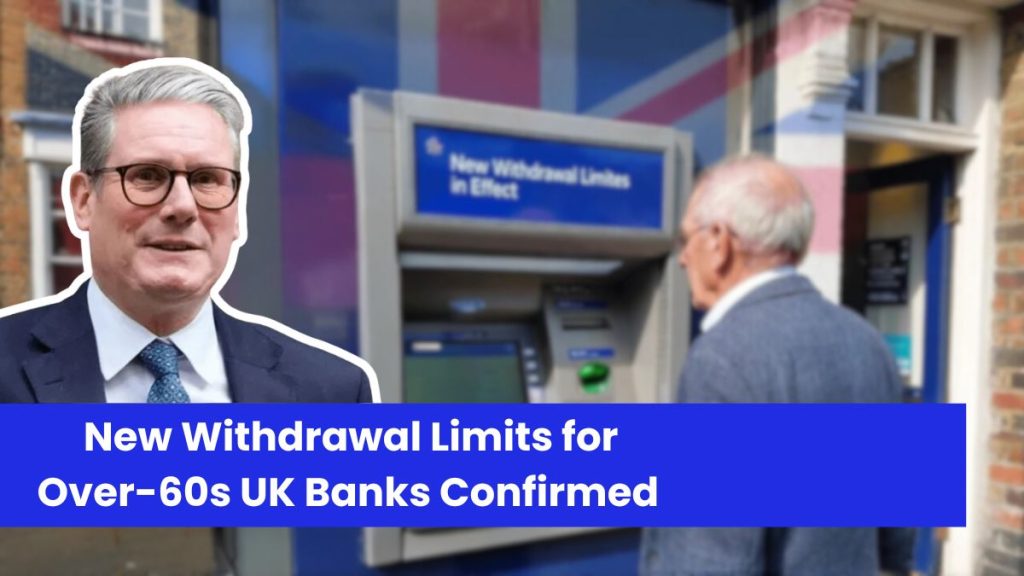
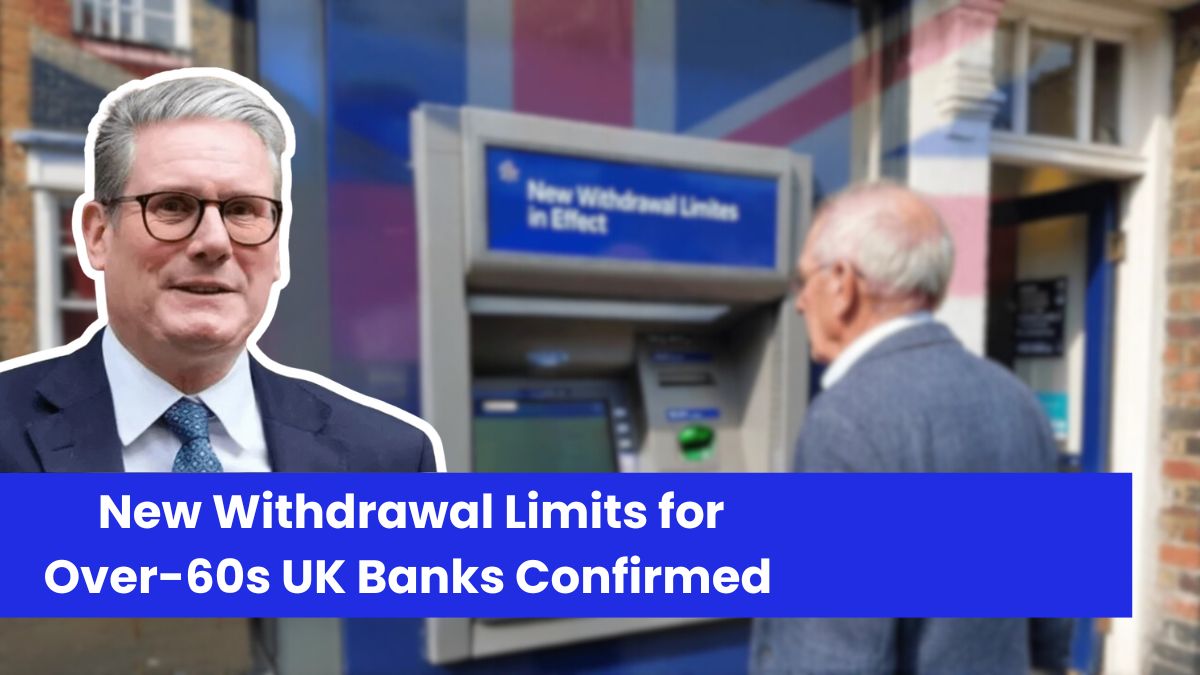
From today, several UK banks have introduced revised cash withdrawal limits for customers aged 60 and over. The changes apply primarily to ATM withdrawals and, in some cases, to over‑the‑counter withdrawals at bank branches.
Banks say the updates are intended to improve security and reduce fraud, but critics argue the measures could make daily life harder for older customers who prefer cash or feel less comfortable with digital banking. As the rules come into force, many over‑60s are asking what exactly has changed and how it could affect their access to money.
What the New Withdrawal Limits Mean in Practice

Under the updated rules, some older customers may no longer be able to withdraw large sums of cash in one transaction without extra checks or advance notice. The limits vary depending on the bank and the type of account held, but the overall direction is towards tighter controls.
Latest Stories
 HMRC’s £13,570 Personal Allowance Plan Could Cut Your Tax Bill in 2025 – Tax-Free Income Set to Rise
In practical terms, this could mean:
- Lower daily ATM withdrawal caps
- Additional checks for larger branch withdrawals
- Delays or questions if withdrawals appear unusual
- Temporary blocks if repeated large withdrawals occur
Banks stress that this is not a ban on accessing cash. Customers still have access to their money, but the process may involve more steps, especially for higher amounts.
Why UK Banks Are Making These Changes Now
According to banks, the main reason for the new limits is fraud prevention. Older people are statistically more likely to be targeted by scams, including:
Latest Stories
 DWP Confirms £921 Benefit Payment Change Before Christmas — Full Eligibility Rules, Dates, and Payment Guide
- Impersonation calls pretending to be from banks or authorities
- Romance and investment scams
- Pressure to withdraw cash urgently for fake emergencies
By restricting large or unusual withdrawals, banks say they can intervene earlier, ask questions, and potentially stop a scam before money is lost.
There is also a wider industry trend away from cash. Cash usage in the UK has fallen steadily over the past decade, and banks face rising costs in handling, transporting, and securing cash. Digital payments are now the default for many everyday transactions, even though not everyone has made the switch.
Which Customers Are Most Likely to Be Affected
The changes mainly affect customers aged 60 and over who regularly withdraw larger amounts of cash. This often includes people who:
Latest Stories
 Motability Scheme Eligibility Confirmed: DWP Reveals Full List of Qualifying Disability Benefits
- Pay tradespeople in cash
- Help family members financially
- Prefer to budget using physical cash
- Do not use online or mobile banking
- Withdraw cash weekly or monthly for household expenses
Customers who typically withdraw smaller sums may notice little or no difference. However, those who rely on larger withdrawals will need to be more aware of their bank’s limits and procedures.
How Withdrawal Limits Differ Between Banks
There is no single nationwide withdrawal limit. Each bank sets its own rules based on internal risk policies and customer profiles.
Major high‑street banks, including Barclays, Lloyds Bank, NatWest, and HSBC UK, have all confirmed changes to how they monitor and control withdrawals for older customers, but the exact limits differ.
Latest Stories
 Free TV Licence for Over-60s in 2026? Here’s Who Really Qualifies — and How to Claim It
Common features across banks include:
- Lower daily ATM limits than before
- ID and explanation required for branch withdrawals over a set amount
- Extra scrutiny for repeated or unusual withdrawals
Banks advise customers to contact their own provider directly to get accurate information about their specific limits.
What Banks Are Saying Publicly
Banks insist the changes are about protection, not restriction. Official statements emphasise the need to safeguard customers, particularly those who may be vulnerable to scams.
Latest Stories
 £250 Cost of Living Payment Confirmed for December 2025 — Who Gets It and When Will It Arrive?
Several banks say they are working with charities and consumer groups to balance security with independence. They also point out that larger sums can still be accessed, often by arranging withdrawals in advance at a branch.
At the same time, banks have admitted that communication could have been clearer, especially for customers who do not use digital banking and may not receive online alerts or app notifications.
Concerns Raised by Pensioner Groups and Advocates
Pensioner groups have expressed concern that the new limits could unintentionally disadvantage older people who prefer cash or lack confidence with technology.
Latest Stories
 HMRC Letters Alarm Thousands of UK Pensioners – Here’s What the £5,000 Savings Alert Really Means
Key worries include:
- Being asked to justify withdrawals feels intrusive
- Reduced independence in managing personal finances
- Fewer options due to branch closures
- Risk of relying on others to withdraw cash, increasing exposure to exploitation
Advocates argue that while fraud prevention is important, measures must be applied sensitively and with respect for older people’s autonomy.
How This Fits Into Wider Banking Changes
The new withdrawal limits are part of a broader transformation of UK banking. Over recent years, many branches have closed or reduced opening hours, while digital services have expanded rapidly.
Latest Stories
 £325 Universal Credit Payment Confirmed for December 2025 – Who Gets It, When It’s Paid, and What to Do If It’s Missing
For older customers, this shift has been mixed. Some have adapted well to online banking, while others continue to value face‑to‑face service and physical cash.
The Financial Conduct Authority (FCA) has previously said banks must ensure fair access to services for all age groups, including those who are digitally excluded.
What Over‑60s Can Do Right Now
If you are aged 60 or over and concerned about the changes, there are practical steps you can take.
Latest Stories
 DWP Changes Home Ownership Rules for Pensioners – What Your Property Now Means for Your Benefits
Check Your Bank’s Specific Limits
Contact your bank directly, either in branch or by phone, and ask for clear details about:
- Daily ATM withdrawal limits
- Branch withdrawal rules
- What triggers additional checks
Having this information helps you plan ahead and avoid surprises.
Arrange Larger Withdrawals in Advance
If you regularly need larger amounts of cash, ask your branch about advance arrangements. Many banks can prepare cash in advance with notice, reducing delays and questions.

This is especially useful for one‑off expenses such as home repairs or care costs.
Explore Alternative Payment Options
Consider whether some payments can be made using bank transfers, debit cards, or cheques, while still keeping control over your finances.
A trusted family member or financial adviser can help explain options without pressure to go fully digital.
Latest Stories
 HMRC Confirms New Debt Recovery Powers From December – What Pensioners Must Check Now
Are Exemptions or Flexibility Available?
Some banks have confirmed that exceptions may be made in specific circumstances, such as:
- Medical or care‑related expenses
- Essential one‑off purchases
- Demonstrated hardship
Banks have vulnerability teams trained to support older and at‑risk customers. If the limits cause genuine difficulty, you are encouraged to raise the issue formally.
What Happens If You Try to Withdraw More Than Allowed
If you attempt to withdraw more than your limit:
Latest Stories
 HMRC Confirms Major Child Benefit Rule Changes from 25 December 2025 – What Every UK Parent Must Know
- An ATM may decline the transaction
- Branch staff may ask questions about the withdrawal
- The bank may delay the transaction while checks are carried out
While this can feel frustrating, banks say these steps are designed to protect customers from fraud rather than block access to money.
Safety Versus Independence: A Delicate Balance
The debate over withdrawal limits highlights a wider challenge: how to protect older people without taking away their independence.
Most experts agree that safeguards are necessary, but they must be applied with clear communication, flexibility, and respect. For many over‑60s, access to cash is about more than convenience — it represents routine, independence, and trust.
Latest Stories
 HMRC to Deduct £450 from Bank Accounts – What UK Pensioners Must Know Before It’s Too Late
What to Expect in the Future
Banks have indicated that cash policies will continue to evolve. As fraud methods change and cash use declines further, additional adjustments are likely.
Consumer groups are calling for:
- Regular reviews of withdrawal policies
- Clear written notices sent by post
- Better support for digitally excluded customers
For now, awareness is key. Knowing your bank’s rules puts you in a stronger position to manage your money confidently.